







Pain Points & Concerns:Lack of clarity on whether reinforcement is needed or how to proceed with it
Unable to accurately determine if reinforcement is truly necessary.
Unable to evaluate the pros and cons of reinforcement solutions, making them vulnerable to overpriced recommendations rather than the most suitable options.
Uncertain about the post-reinforcement outcome, worrying that the structure may still not be safe after reinforcement.


Pain Points in Selection: The market is flooded with mixed-quality products, worrying about unreliable suppliers and being cheated.
Unlicensed transient contractors make it hard to check their credibility and expertise.
Low-price deals often involve hidden fees, missing work and inferior materials.
Unreliable contractors may abscond after prepayment or halt work to ask for extra charges.
Cost Pain Points: Uncontrollable Budgets & Fear of Overspending
Reinforcement costs are not fixed-price, leaving owners anxious about budget overruns.
Hidden costs are prevalent; owners are forced to accept contractor quotes without being able to judge their reasonableness.
There is no way to verify overcharging. Even when "imported materials" are claimed, owners cannot confirm their authenticity or actual value, fearing they are being overcharged.
Construction Pain Points: Disruptions to Daily Life & Concerns About Non-Standard Workmanship
Construction Safety Hazards: Concerns over structural modifications, noise, dust, safety risks and complaints. Improper workmanship by workers may lead to accidents. Additionally, inadequate protection of the existing structure or the use of substandard materials during construction can result in the structure becoming less safe after reinforcement;
Uncontrollable construction schedules.
Quality Pain Points: Hidden construction leads to superficial reinforcement. Reinforcement quality determines building safety, yet owners lack professional testing capacity and can only judge intuitively.
Hard to verify material quality and detect shoddy goods.
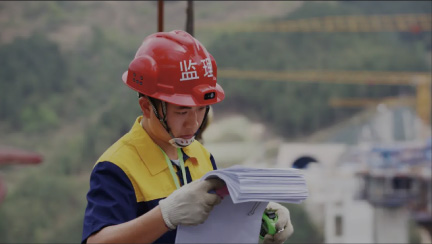
Poor workmanship and supervision may cause reinforcement failure.
Self-inspection by contractors leaves defects undiscovered; liabilities are often evaded later.
Compliance Pain Points: Incomplete formalities hinder later use. Structural reinforcement requires permits and filings; uninformed owners face compliance risks.
Many think any contractor suffices without knowing required paperwork.
Formalities are complicated: design plans, third-party tests and housing authority filings. Confused owners face delayed construction.
After-sales Pain Points: Unresolved issues hurt building value. Reinforcement needs long-term maintenance, yet owners worry about warranties and asset depreciation.
No warranty coverage. Providers refuse repairs citing expired warranty or improper use, leaving owners to bear re-reinforcement costs.
Reinforcement may lower property resale value. Buyers may cut prices; banks may offer low valuations. Owners lack valid test & acceptance documents to prove reinforcement reliability.


