






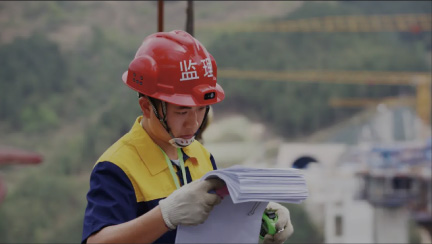

Construction Environment Pain Points: Dual Challenges of High Safety Risks and Severe Working Conditions
Limited space hinders heavy tools, requiring manual labor and bent postures that cause musculoskeletal injuries. Frequent unstable high-altitude work carries fall risks.
Occupational hazards:
Heavy dust from drilling/chiseling may lead to pneumoconiosis.
Adhesives and grouts release irritants like formaldehyde and benzene, triggering dizziness and allergies with poor ventilation.
Over 85-decibel noise damages hearing; noise restrictions for night works cut efficiency.
Structural risks: Defective buildings demand emergency evacuation in strong winds. Workers face heavy mental stress and liability for operational safety accidents.


Skill Requirements: Competency Pressure for High Precision & On-site Adaptability
High skill threshold and inadequate training. Core reinforcement procedures including carbon fiber wrapping, rebar planting and steel bonding demand rigorous detail control. Most workers transfer from new construction projects without specialized reinforcement training, relying solely on veteran mentorship. Inexperienced staff often perform non-standard operations that trigger rework, schedule delays and fines.
Rapid technical updates bring high learning costs. Reinforcement construction requires ultra-high precision, mandating constant skill upgrading. Yet most firms prioritize speedy construction over systematic training, forcing workers to learn on the job, which frequently results in quality defects due to poor proficiency.
Heavy reliance on on-site experience hinders new staff adaptation. Drawings often conflict with actual old building conditions such as displaced steel bars and dimensional deviations. Workers must adjust drilling positions and embedment depths based on experience. Novices lack relevant know-how and have to pause work waiting for supervisors’ instructions, dragging down efficiency and increasing error risks.
Work Intensity: Physical Exhaustion from Rush Schedules and Night Shifts
High-intensity work under tight deadlines;
Physiological strain from off-hours construction. Outdoor bridge reinforcement exposes workers to harsh weather: working above 35°C in summer causes heatstroke risks; frigid winters slow adhesive curing, requiring prolonged outdoor work that leads to frostbite.
Rights Protection: Dual Worries about Wages and Social Security
High risk of wage arrears. Project capital flow relies on client payments; delayed settlement and tight corporate cash flow often lead to unpaid labor wages.
Inadequate social insurance and safety protection. To cut costs, most reinforcement contractors fail to provide pension and medical insurance for workers, only offering insufficient accident insurance at best. Workplace injuries such as falls and impact wounds trigger prolonged disputes over medical bills and lost work compensation, with full indemnity rarely secured.
Ambiguous contracts and liability boundaries. Most workers only reach verbal agreements with subcontractors or firms, without clear clauses covering work scope, pay rates and work injury liabilities. Disputes frequently arise when clients add extra construction tasks or material defects cause rework. Workers are often unfairly held accountable, forced to work overtime without extra pay or bear rework expenses.
Communication & Coordination: Coordination Dilemma Under Multi-party Pressure – Endure Unfair Criticisms While Bearing Blame for Reworks
Confusing instructions and inconsistent standards. Designers deliver vague technical disclosures with ambiguous drawings. Workers construct based on experience only to face mandatory revisions and rework. Supervisors and site managers issue conflicting demands: inspectors enforce strict codes while company supervisors push for simplified procedures to speed up progress, leaving workers caught between two sides and subject to criticism either way.
Uncooperative and interfering property owners. Owners often stay on-site and repeatedly raise unreasonable demands. Refusal to comply may lead to construction halts or regulatory complaints. Workers waste massive time on communication, slowing construction progress.
Poor cross-team coordination. Improper process handoffs cause quality defects, yet liability is usually shifted to labor crews rather than flawed coordination management, forcing workers to bear rework costs and responsibilities.
Materials & Tools: Construction Obstacles Caused by Inferior Quality & Shortage — Frequent Dilemma of Short Supplies or Substandard Materials
Poor material quality leads to tough construction and unfair liability. Many contractors cut costs by purchasing cheap substandard materials, resulting in failed acceptance. Workers are forced to redo works and held responsible for defects even if the root cause lies in faulty materials.
Material shortages and delayed supply. Reinforcement materials are ordered on demand. Misaligned supply chains or flawed procurement plans cause work stoppages waiting for materials. Workers show up but cannot work, yet may lose performance bonuses. Mismatched material specifications such as wrong resin types require rushed on-site adjustments and waste working hours.
Outdated, poorly maintained tools. Damaged equipment receives untimely repairs from the company. Workers have to make do with faulty tools or fix them themselves, adding extra workload.


